1. Core Significance of Power Supply Selection for Industrial Refractory Wastewater Treatment
Industrial refractory wastewater has complex components and high pollutant stability, making it difficult to achieve standard treatment with conventional biochemical processes. Such wastewater mostly relies on enhanced processes such as electrocatalysis, electrocoagulation and ozone electrolysis, and a stable and reliable power supply directly determines treatment efficiency and operational safety. For industrial refractory wastewater, how to select a suitable power supply for water treatment is a key link that cannot be ignored in engineering design and on-site operation and maintenance. The power supply not only provides power for basic equipment such as pumps, aeration and dosing, but also serves as the core driving component of electrochemical treatment units. Its output accuracy, stability and anti-interference ability directly affect pollutant degradation efficiency and equipment service life. For the harsh working conditions of industrial refractory wastewater, power supply selection shall take process characteristics, on-site environment and long-term operation cost into account to avoid treatment failure or equipment damage caused by power supply fluctuations.
2. Key Characteristics of Power Supply Suitable for Industrial Refractory Wastewater
On-site industrial refractory wastewater treatment mostly features humidity, corrosive gases and large load fluctuations, so the power supply needs targeted protection and performance support. For industrial refractory wastewater, when selecting a power supply for water treatment, priority shall be given to output stability. Constant voltage and constant current output can avoid sudden changes in voltage and current that affect catalytic efficiency, and low ripple and low noise design can prolong the service life of electrodes and membrane modules. Secondly, the power supply shall have a wide adjustable range to adapt to the adjustment of different pollutant concentrations and process parameters, and high-precision programmable control facilitates automatic operation and remote control. Meanwhile, the equipment shall have multiple protections such as overload, overvoltage, short circuit and overheat protection to work stably continuously under complex working conditions and reduce downtime risks and maintenance costs.
3. Ideas for Power Supply Selection Combined with Processes and Scenarios
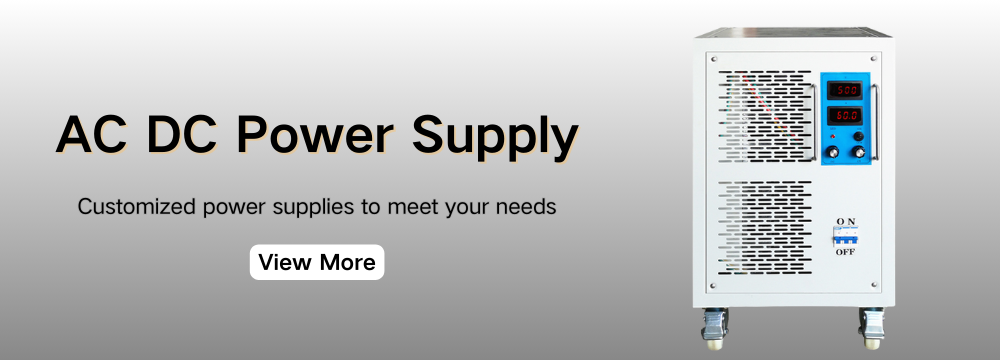
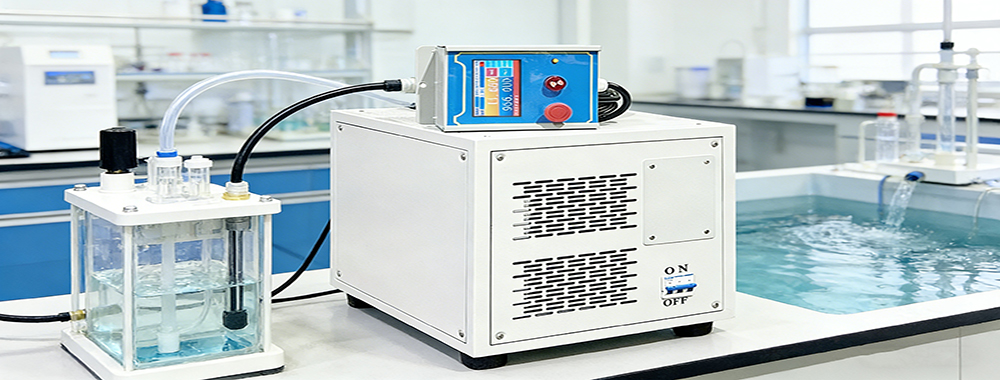
Different treatment processes have obvious different demands for power supplies, which shall be matched with corresponding products according to process characteristics. High-power DC power supplies are suitable for processes such as electrocatalytic oxidation and electrocoagulation, supporting high-current output to improve degradation rate; low-voltage DC power supplies with precise adjustment are required for membrane separation and advanced oxidation combined systems to ensure stable and controllable treatment process. For industrial refractory wastewater, how to select a suitable power supply for water treatment also requires selecting the protection level according to on-site working conditions, and models with high protection structure shall be used in high-humidity and high-corrosion environments. In practical projects, DC power supply products of YIBENYUAN can adapt to various industrial refractory wastewater treatment scenarios with stable output and reliable protection characteristics, providing support for stable process operation.
4. Development Trend of Power Supply Selection for Industrial Refractory Wastewater
With the intelligent upgrading of water treatment processes, power supplies for industrial refractory wastewater treatment are gradually developing towards high efficiency, intelligence and integration. Energy-saving power supplies can reduce the overall energy consumption of the system and ease the cost pressure brought by high-load operation; intelligent control and remote monitoring functions facilitate real-time adjustment of operating parameters and improve the automation level of the treatment system. For industrial refractory wastewater, how to select a suitable power supply for water treatment will pay more attention to energy utilization and process collaboration in the future, promoting the in-depth integration of power supplies and water treatment equipment and improving the overall stability and economy of the system. Reasonable selection and scientific configuration of power supplies are important guarantees for efficient and stable treatment of industrial refractory wastewater, achieving environmental compliance and cost reduction and efficiency improvement.