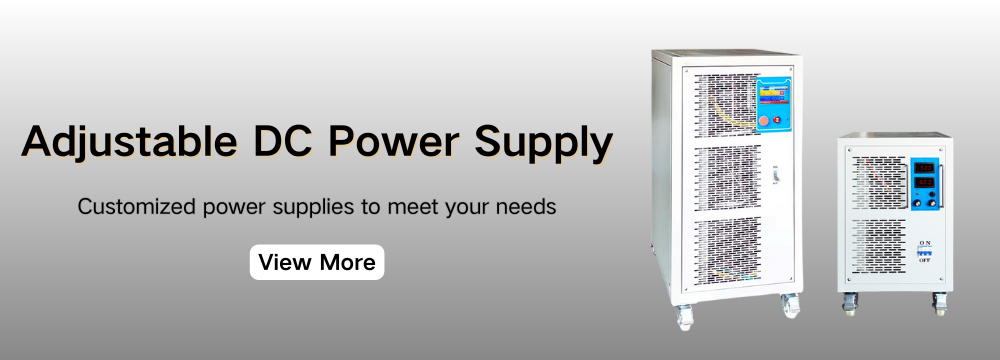
Against the backdrop of industrial energy conservation and refined production, electrolysis power supply has become a core energy management equipment for many enterprises. Many people wonder whether such professional power supply, with high investment and technical barriers, is cost-effective in long-term operation. This article discusses the energy functions, application value and return on investment of electrolysis power supply from a practical perspective, helping you judge its suitability for your scenarios.
What Are the Exact Energy Functions of Electrolysis Power Supply
Most people regard electrolysis power supply as a simple power provider, but its core lies in precise energy regulation, which directly determines process efficiency and power cost.
First energy function of electrolysis power supply: Output stable high-current low-voltage DC to avoid grid fluctuation interfering with electrolytic reactions and ensure process consistency.
Second energy function of electrolysis power supply: Realize high-efficiency AC-DC conversion, reduce line loss, and allocate more electric energy to effective electrolysis while minimizing useless heat generation.
Third energy function of electrolysis power supply: Precisely adjust current waveform and output parameters to adapt to metal refining, wastewater treatment, electrochemical synthesis and other processes, improving energy utilization.
Fourth energy function of electrolysis power supply: Support long-term continuous and stable operation to meet 7×24 industrial operation demands, reducing energy waste and productivity loss caused by downtime.
Fifth energy function of electrolysis power supply: Optimize load matching characteristics to maintain high efficiency under both light and heavy loads, stabilizing the overall power load.In short, it is not just a power supply device, but an intelligent energy manager that optimizes every kilowatt-hour of electricity.
Practical Scenarios of Electrolysis Power Supply
Electrolysis power supply plays a stable role in many necessary industries:
Metallurgy and metal processing: Used for electrolytic refining of non-ferrous metals such as copper, aluminum and zinc. The energy functions of electrolysis power supply directly improve purification purity and output rate, lowering power consumption per unit product.
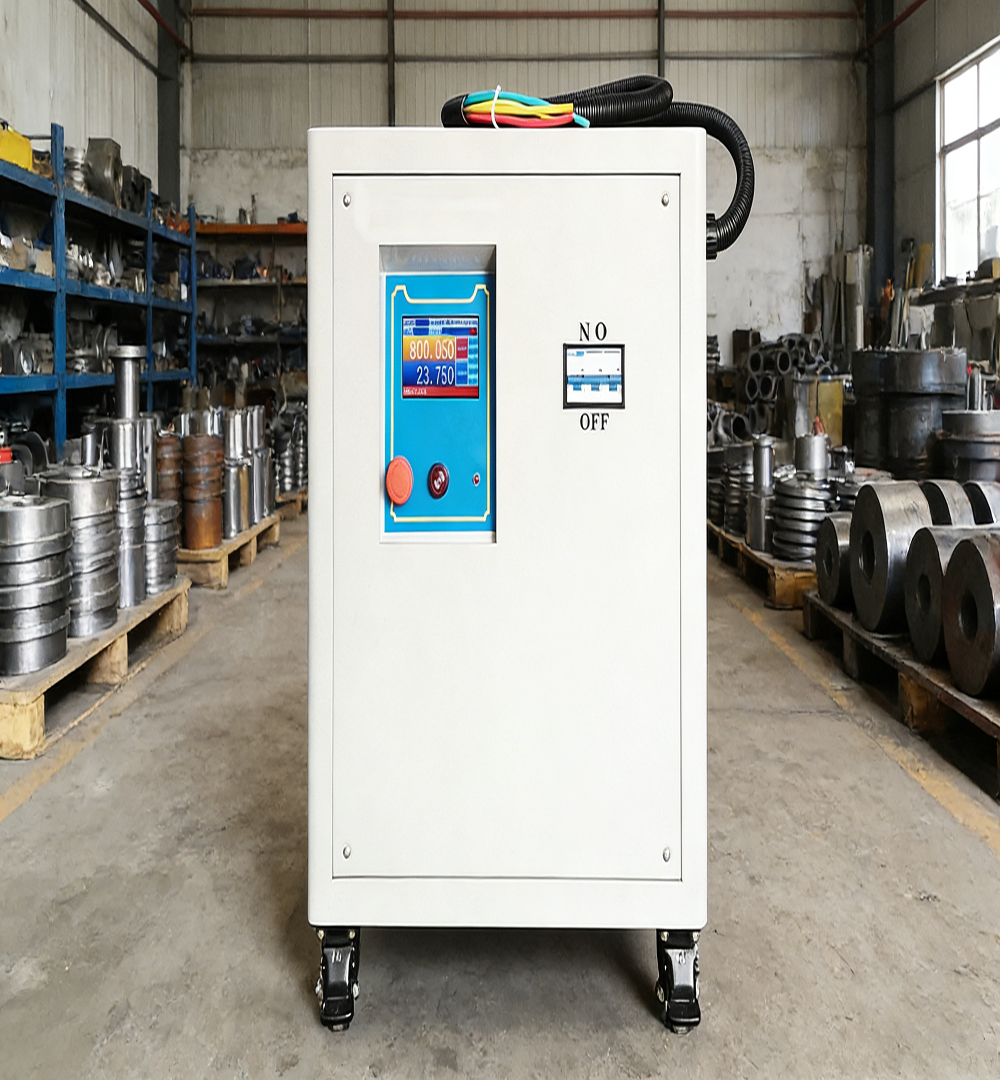
Environmental protection water treatment: In electrocoagulation and electrocatalytic oxidation processes, it efficiently decomposes pollutants and recycles heavy metals relying on stable and continuous energy output.
Chlor-alkali and electrochemical synthesis: Provides reliable energy supply for alkali production, hydrogen production, chlorine production and other processes, ensuring reaction efficiency and product purity.
Electroplating and surface treatment: Outputs uniform and controllable current to make coatings denser and more even, reducing material waste and energy consumption per unit area.These scenarios rely heavily on stable, efficient and controllable DC energy, where the energy functions of electrolysis power supply are irreplaceable.
Cost-Benefit Analysis: Is Electrolysis Power Supply Cost-Effective
The cost-performance ratio of electrolysis power supply is often underestimated.First, energy-saving benefits: High-quality high-frequency electrolysis power supply can achieve a conversion efficiency of about 95%. Compared with traditional equipment, it significantly reduces electricity costs in long-term operation, and the price difference can be partially recovered in half a year to one and a half years.Second, operation and quality benefits: Stable output reduces defective rate, extends electrode and tank life, and lowers maintenance frequency, leading to obvious decline in hidden costs.Third, compliance and productivity benefits: Low harmonics and high power factor ease grid pressure; continuous and stable operation boosts productivity, with sustained overall benefits.On the whole, electrolysis power supply is a cost-effective energy equipment for matching processes and sufficient operating hours. Professional brands such as YIBENYUAN provide mature solutions in efficiency and stability, further enhancing overall returns.
Suitability Is the Key
Electrolysis power supply is not for all cases. Three conditions matter: stable and continuous power load, high precision requirements for current/voltage in processes, and goals to reduce energy consumption and maintenance costs.Back to the question: Is electrolysis power supply cost-effective? For necessary scenarios, it is highly cost-effective in long-term use; for short-term, low-load and low-precision demands, careful evaluation is recommended. Prioritize the matching between the energy functions of electrolysis power supply and your processes, then choose brands and solutions wisely to avoid risks.