In the process of continuous optimization of heating systems, distributed heating has gradually become a practical choice for industrial heat tracing, building heating and equipment temperature control due to its characteristics of close heat source and on-demand distribution. Many users care about whether distributed heating can steadily reduce energy consumption and control long-term investment. This paper analyzes the energy saving logic and economic value of distributed heating, and provides objective references combined with practical application scenarios.
Core Ways for Distributed Heating to Save Energy
The energy saving effect of distributed heating comes from the collaborative optimization of heat source layout, energy conversion and operation control, all of which focus on reducing waste and improving efficiency.
Distributed heating cancels centralized heat sources and long-distance transmission pipe networks, arranges heating units near heat-demanding areas, converts electric energy into heat energy locally, basically eliminates heat loss caused by pipeline transmission, which is the basic condition for energy saving of distributed heating. Centralized heating produces obvious heat loss in pipeline transmission, while distributed heating allows heat to act directly on the target location, significantly improving energy utilization.
Distributed heating supports independent zone control, which can adjust output according to space, time and temperature demand, avoiding full-load operation all day. Residences can control temperature room by room, industrial pipelines can start and stop segmentally, reduce power in unmanned areas and maintain stable temperature in occupied areas. This refined operation keeps distributed heating in a high-efficiency range, further reducing energy consumption.
Distributed heating has stable electric-thermal conversion efficiency. Combined with adapted power supply and temperature control modules, it can achieve stable power output and reduce energy waste caused by frequent start and stop. In low-temperature heat tracing and precise temperature control scenarios, distributed heating can maintain small temperature fluctuation, avoid overheating, and make every part of energy used for effective heating.
Evaluation on Economic Effects of Distributed Heating
To judge the value of a heating scheme, we should not only focus on short-term investment, but also look at long-term operation and maintenance costs. Distributed heating has clear advantages in full-life cycle economy.
In terms of initial investment, distributed heating does not need to build boiler rooms or lay main pipe networks. The equipment is mainly modular, flexible in installation, and can be implemented step by step in different regions, reducing one-time capital pressure. For scenarios unsuitable for centralized pipe networks such as old renovation and remote areas, the initial investment of distributed heating is more controllable, and the overall cost is lower than that of traditional centralized heating systems.
Operating cost is the core embodiment of the economy of distributed heating. Thanks to low loss and on-demand heating, the energy consumption of distributed heating is significantly lower under the same heat demand. Combined with peak-valley electricity price strategy, the cost can be further reduced. Measured data in industrial pipeline heat tracing, building household heating and other scenarios show that distributed heating can reduce considerable electricity costs compared with traditional methods, and can save expenses continuously in long-term use.
Maintenance and service life costs are also friendly. The unit failure of distributed heating does not affect the overall system, single-point replacement is convenient, daily inspection is simple, and no professional team is required for on duty. The system has no complex pipelines and heat exchange equipment, with less maintenance workload, low cost and long stable service life, further improving the full-life cycle cost-performance ratio.
Adapted Scenarios and Technical Support
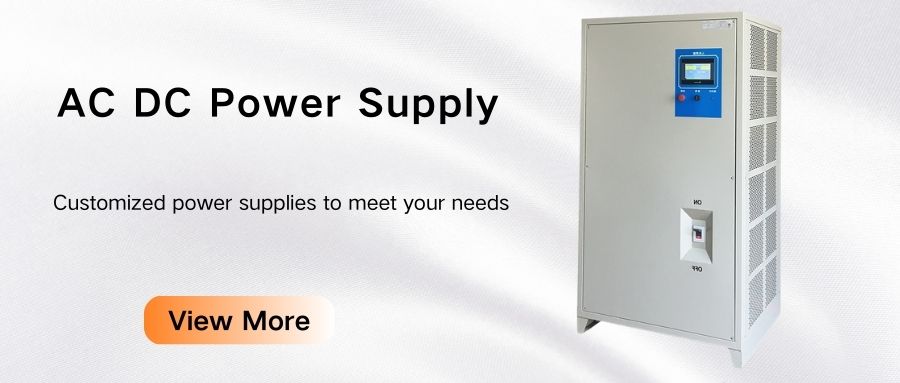
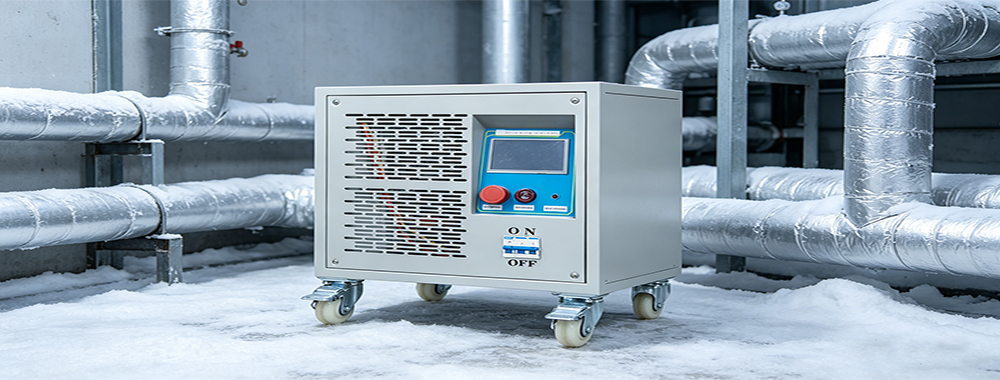
Distributed heating is widely used in building heating, pipeline anti-freezing, equipment pre-heating and other scenarios, stably exerting energy saving and economic advantages. Reasonable matching of special power supply and control units can simultaneously improve the efficiency and reliability of distributed heating. Related power solutions from YIBENYUAN can provide stable support for distributed heating to ensure efficient and stable operation of the system.
Summary
Distributed heating achieves stable energy saving through nearby heating, zoned temperature control and efficient conversion. It has balanced advantages in initial investment, operating costs and maintenance costs, and is suitable for clean heating needs in various scenarios. With the increasing demand for energy saving, distributed heating will become a reliable choice for more users with practical performance and economic performance.